










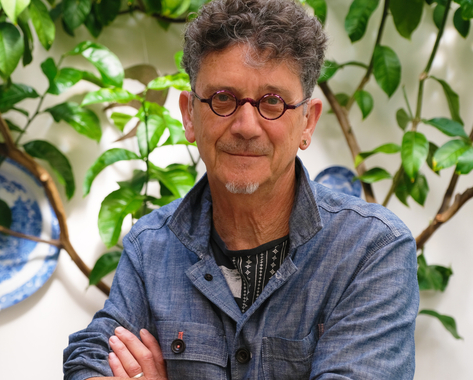
Paul Scott

Opening Reception: Friday, January 9, 6–8 pm
Artist Talk: Thursday, January 22, 1pm
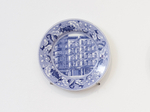
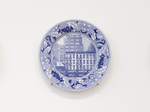
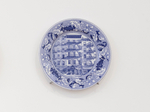
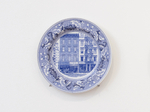
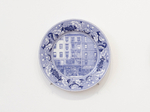
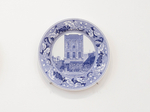
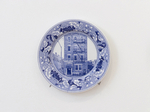
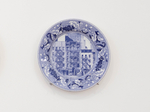
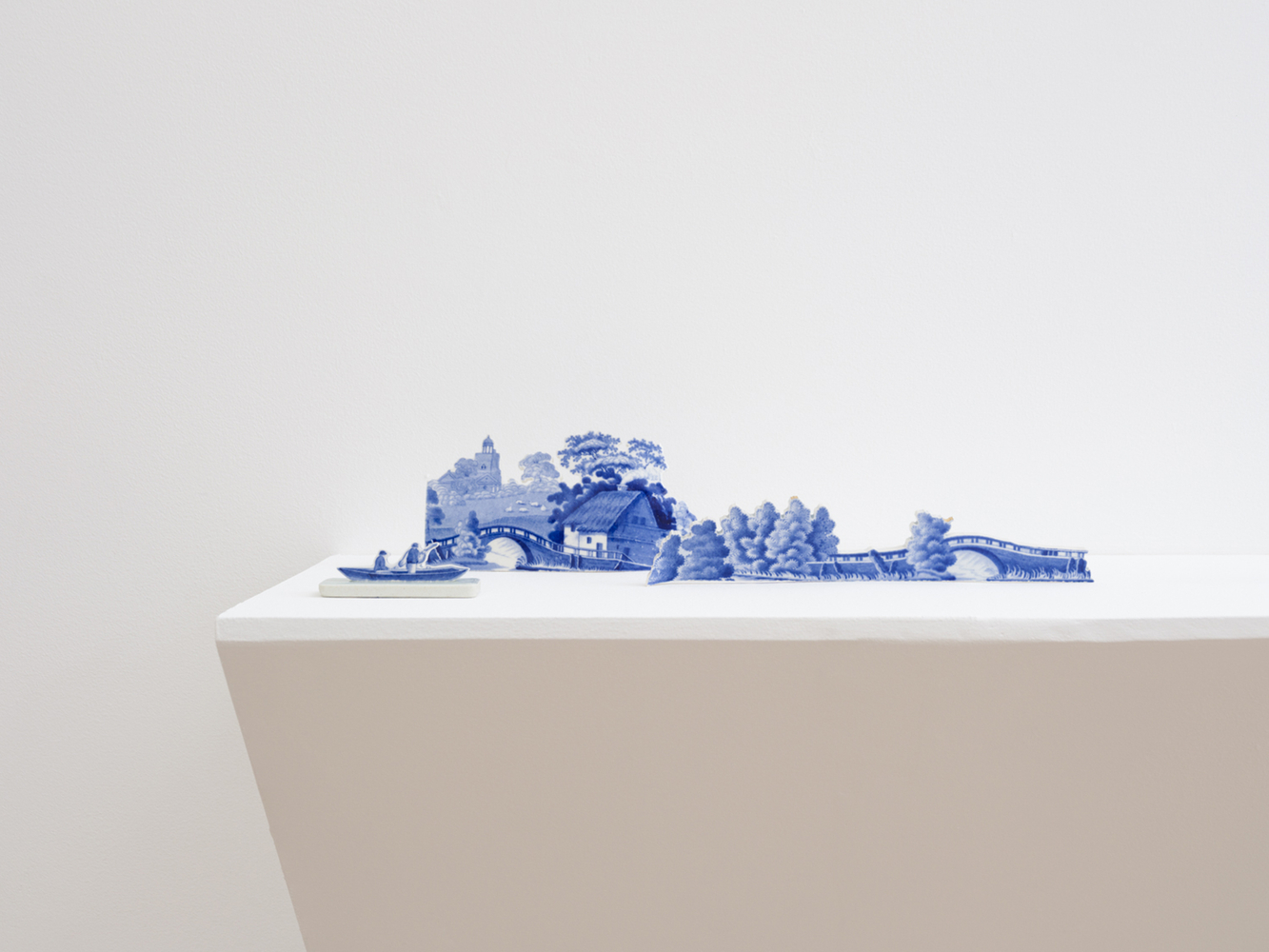
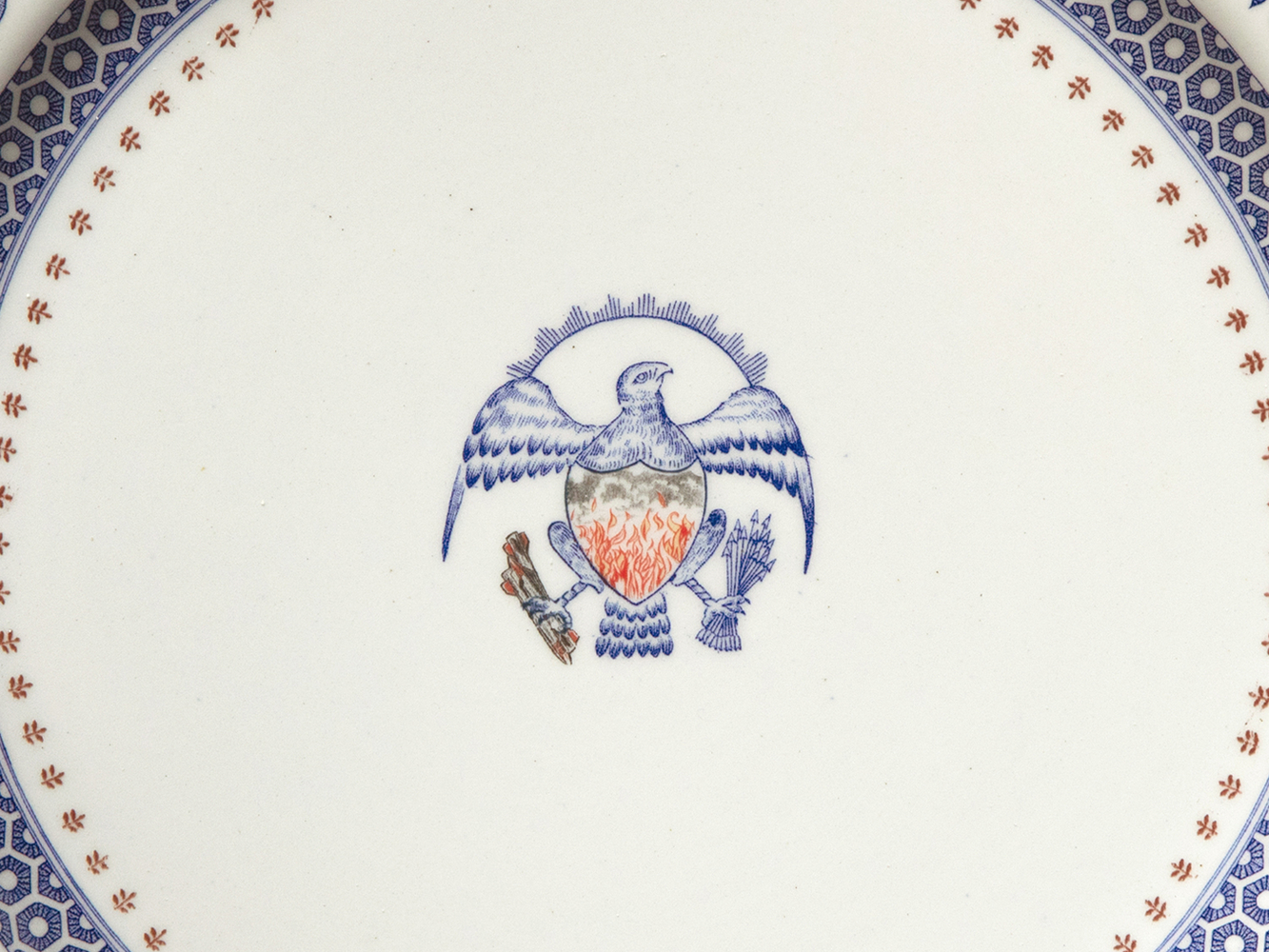
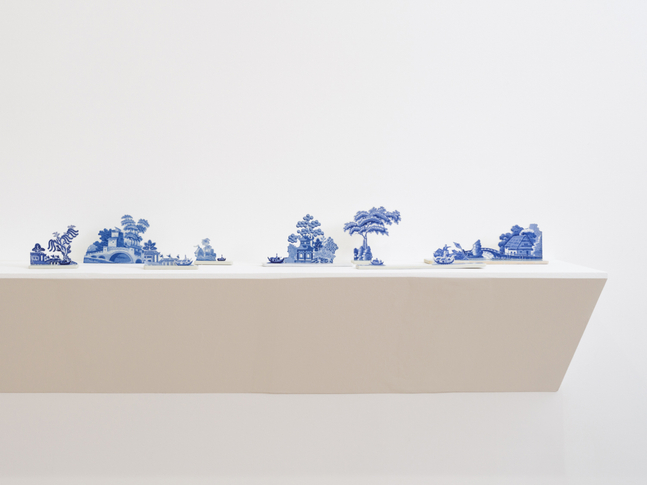
HB381 is pleased to announce One Way or Another, a two-person exhibition of new ceramic works by Paul Scott (b. 1953, United Kingdom) and Caroline Slotte (b. 1975, Finland). Slotte studied ceramics with Scott when he was a professor at the Bergen Academy of Art and Design in the early 2000s and their practices have dovetailed in various ways since. Both artists invoke the storied space of European porcelain and faience wares as a repository of cultural mores and readymade imagery. Collectively, they draw on the history of objects as an apt framework for parsing psychological and political affairs of the present day. While their techniques for altering these historic objects find different expressions, their attention to this space of visual and material culture is equally acute, feeding into discourses on craft and cultural studies and museological concerns around heritage and preservation.
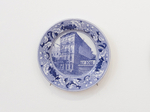
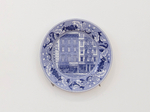
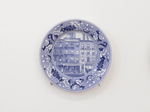
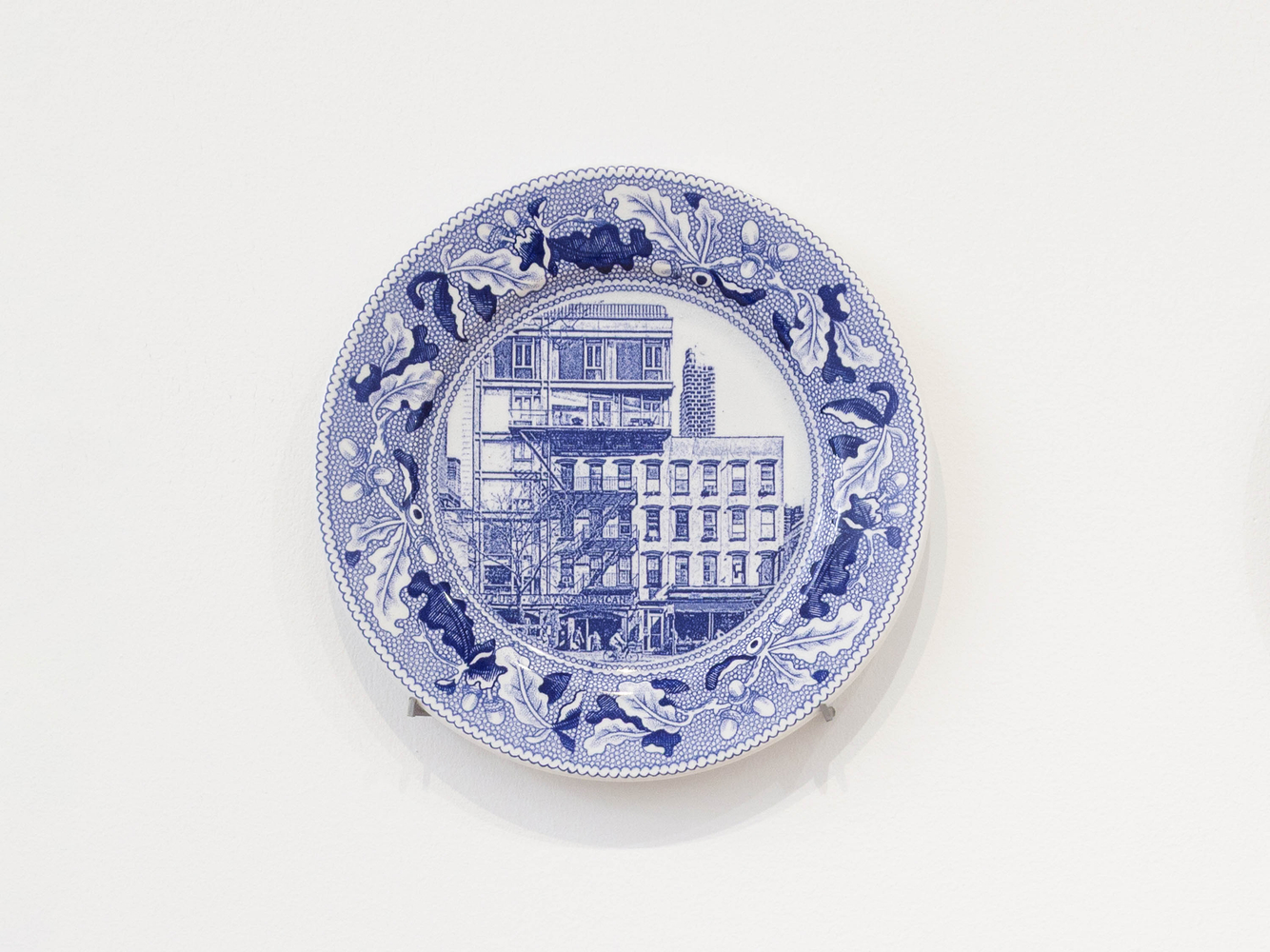
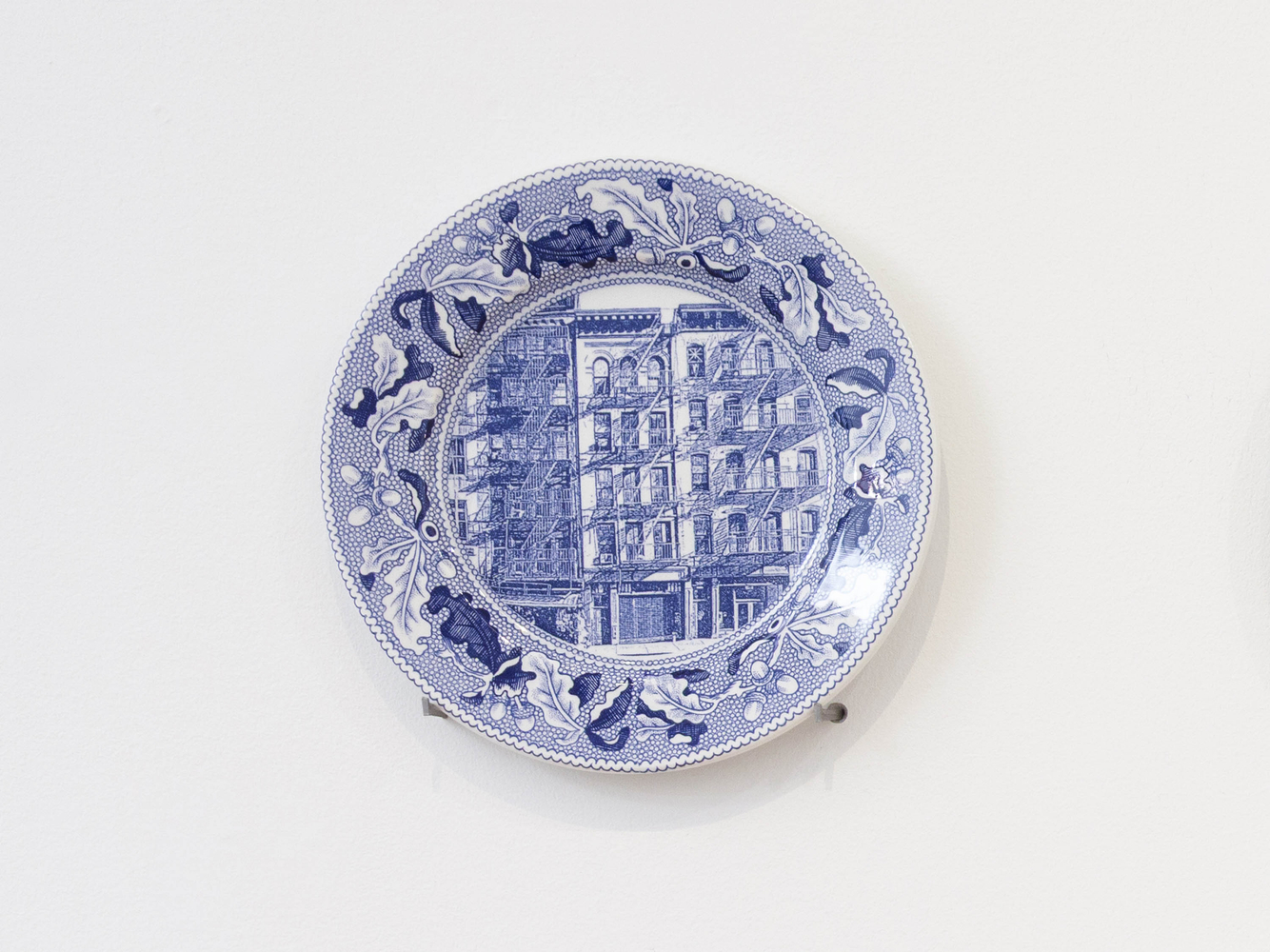
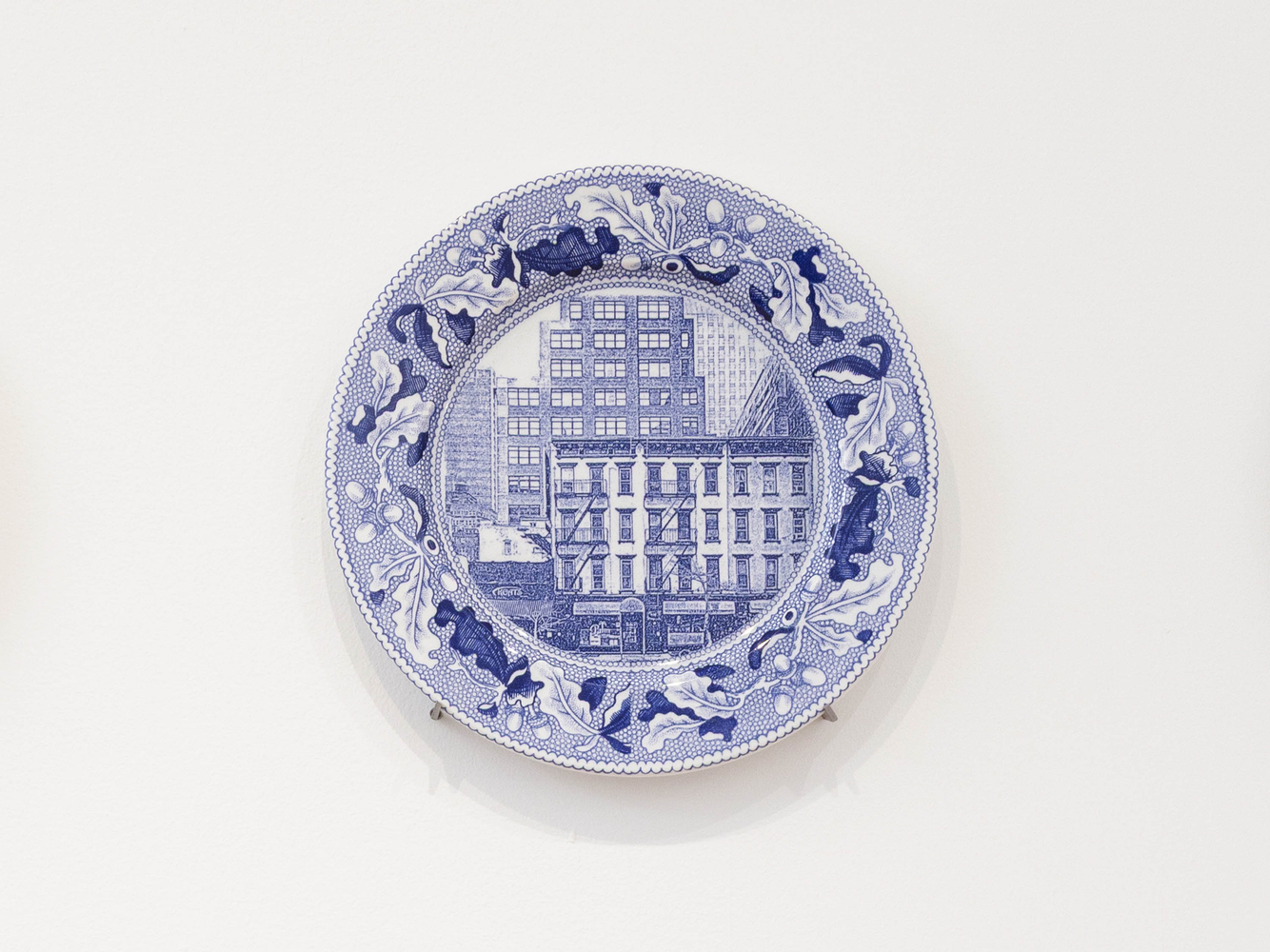
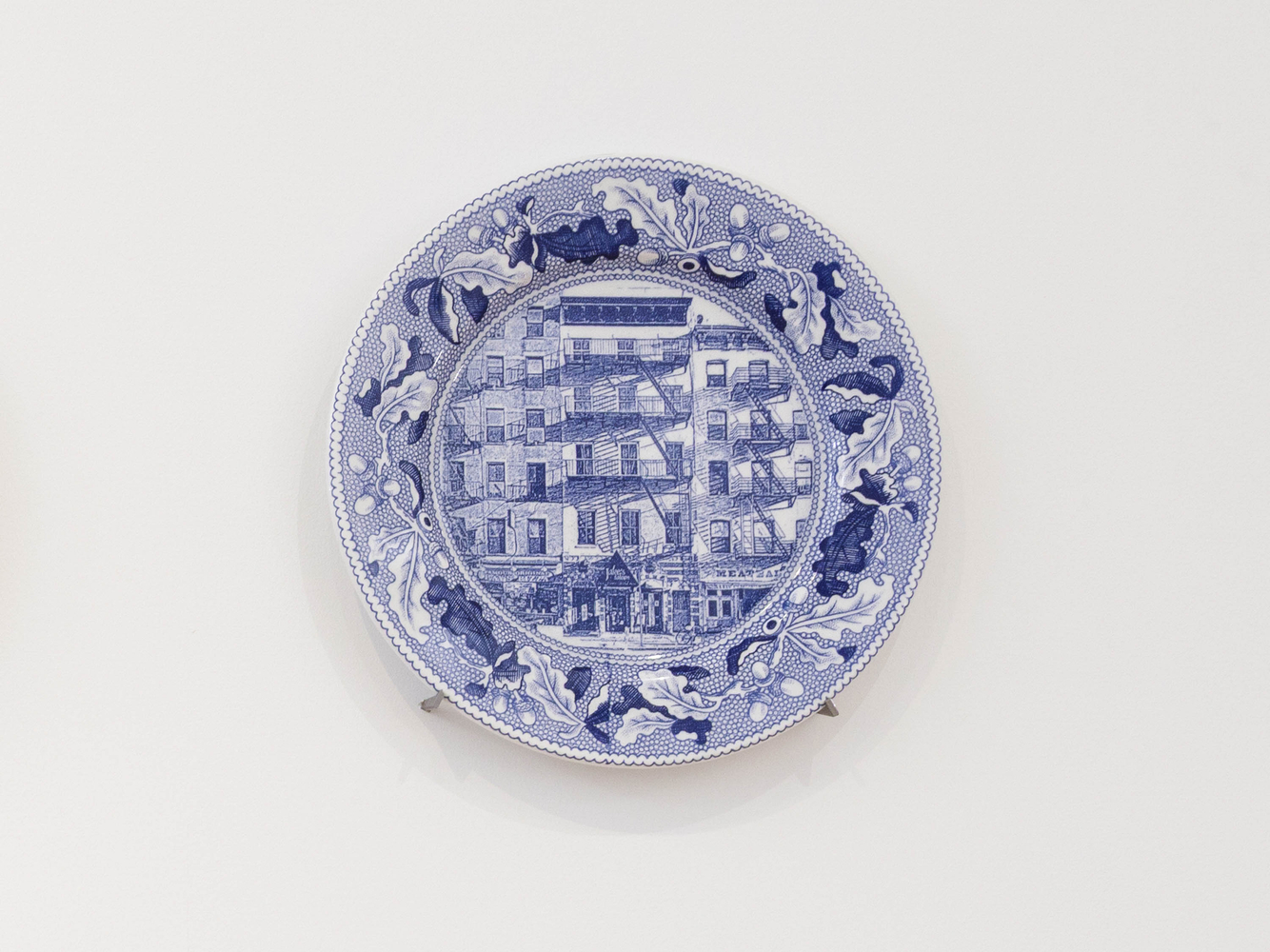
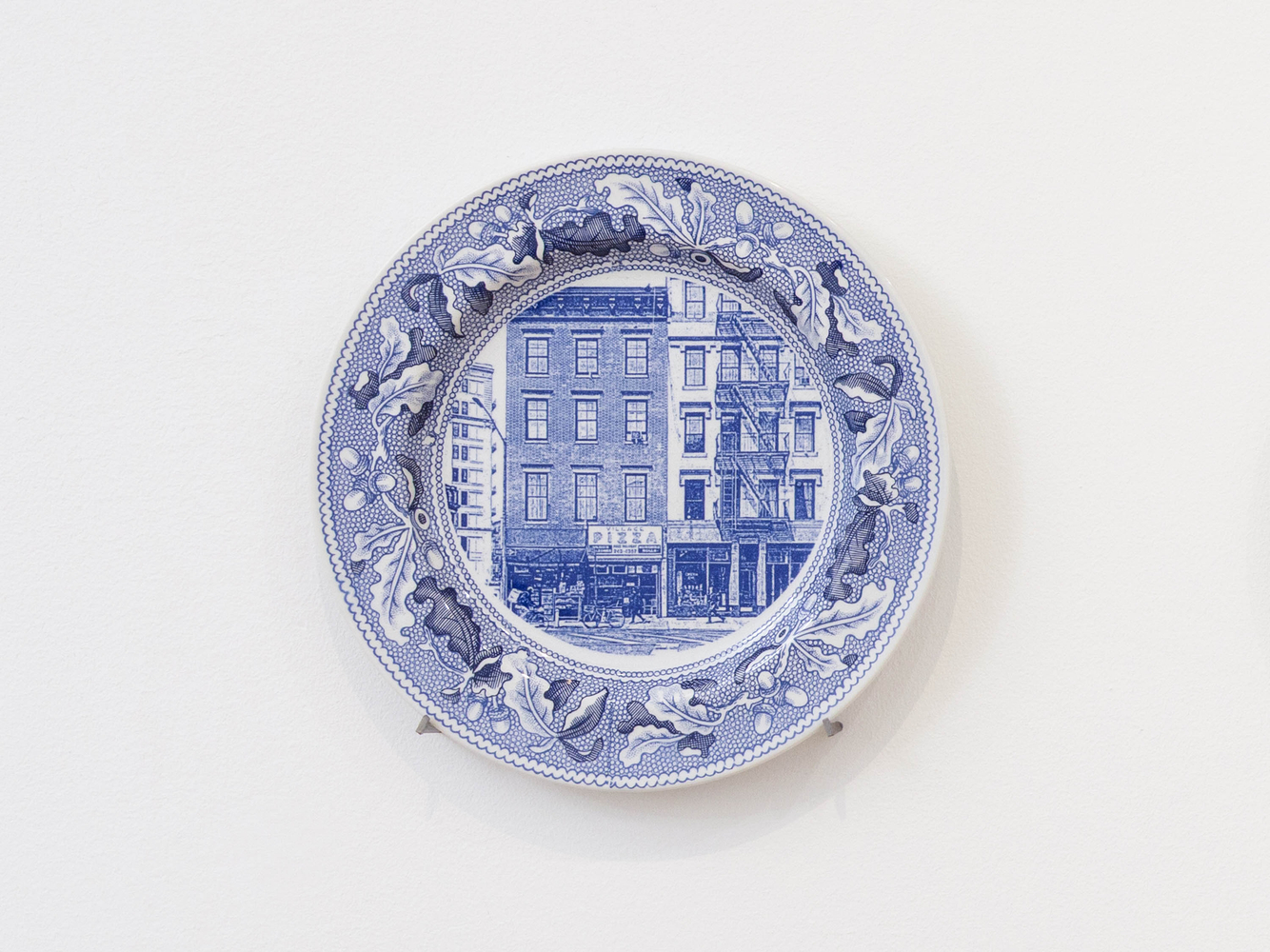
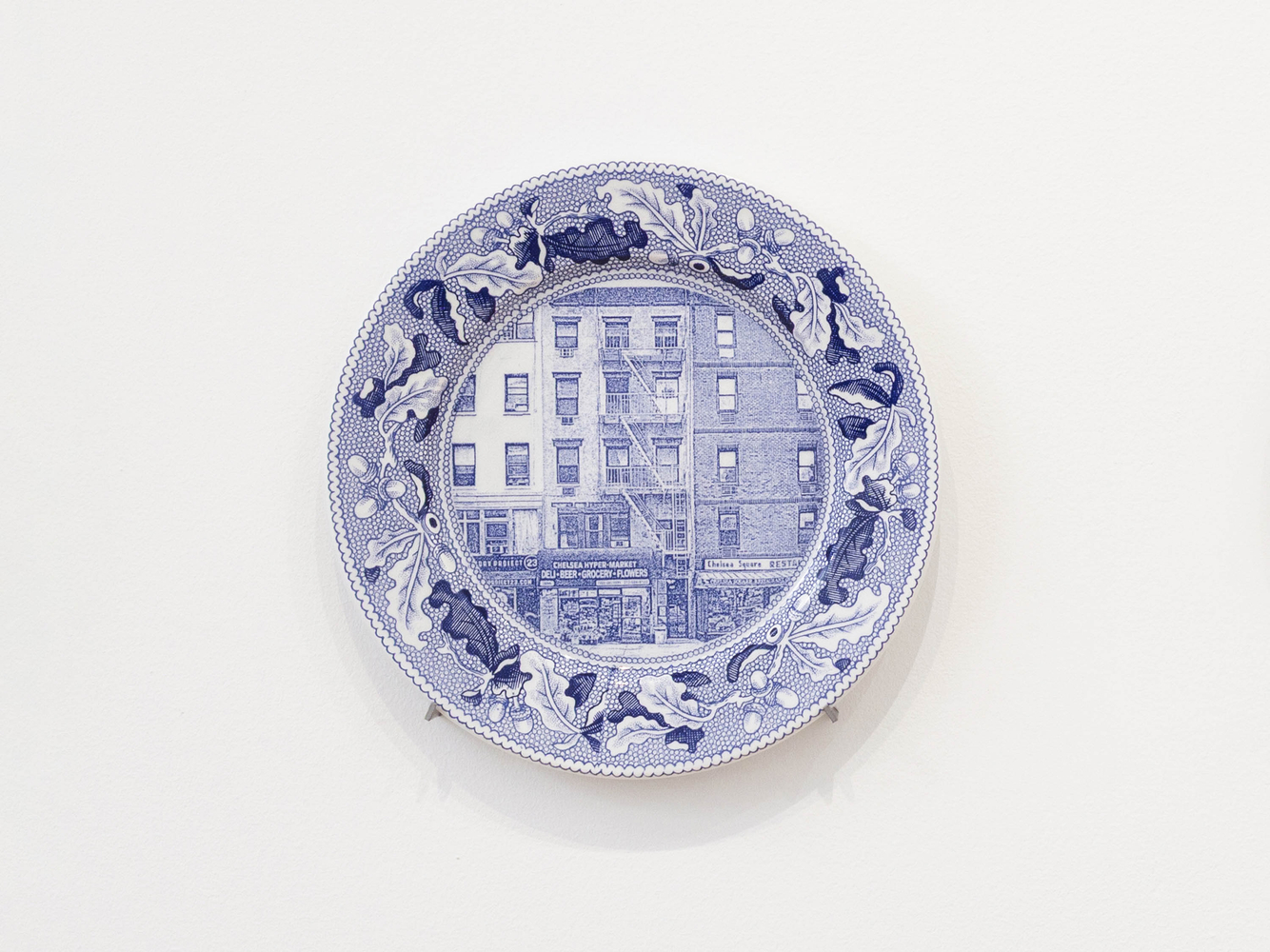
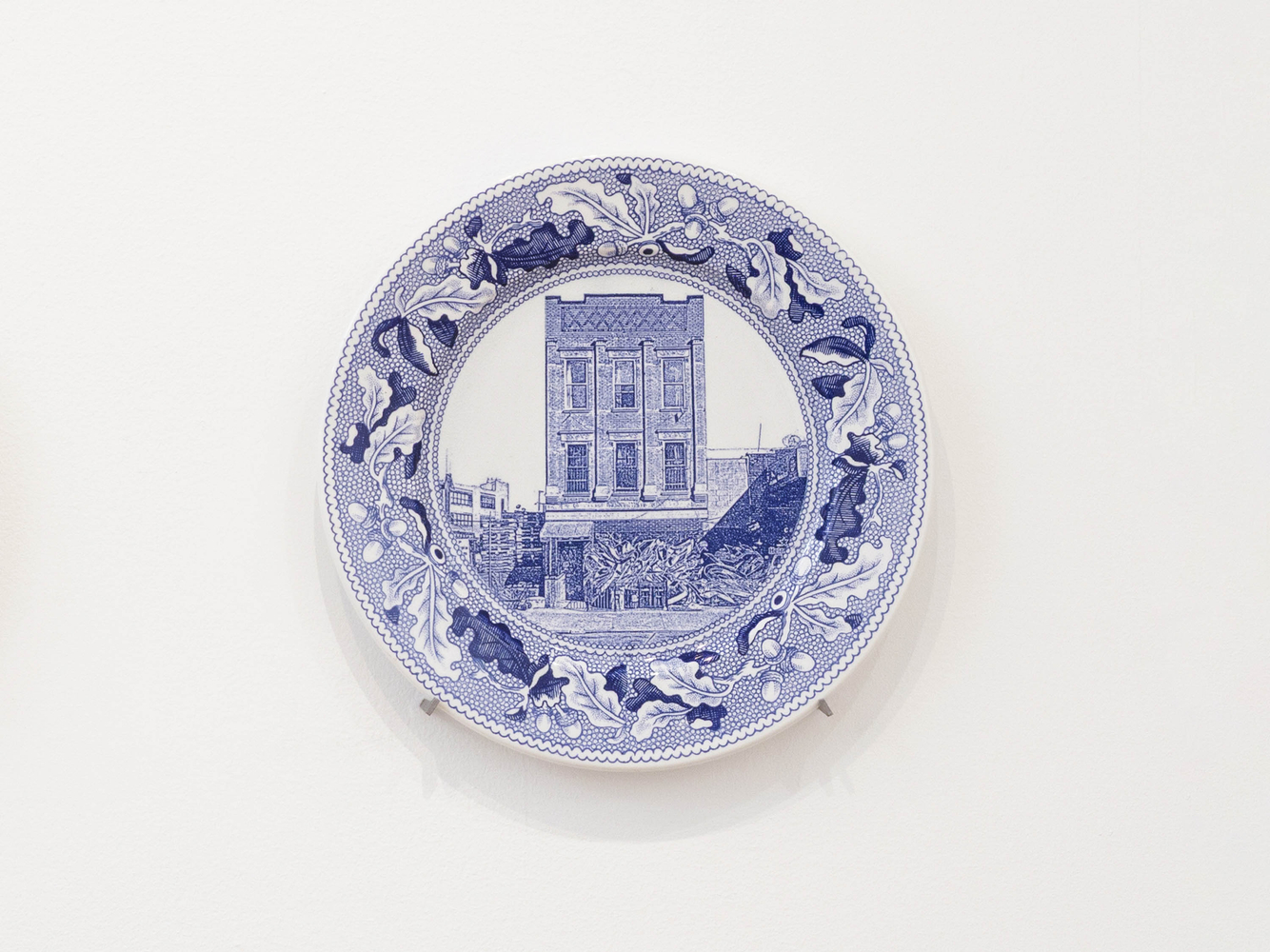
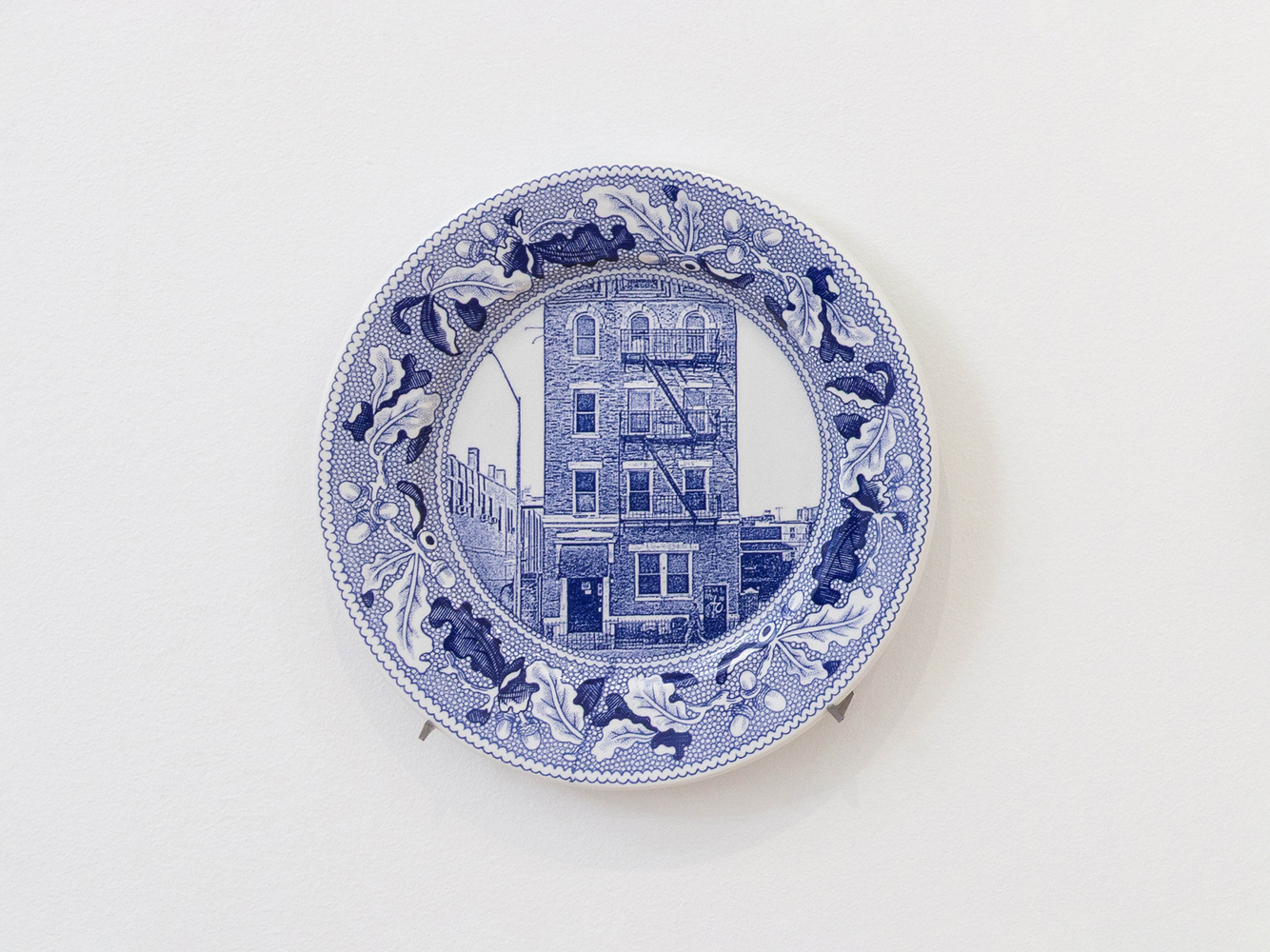
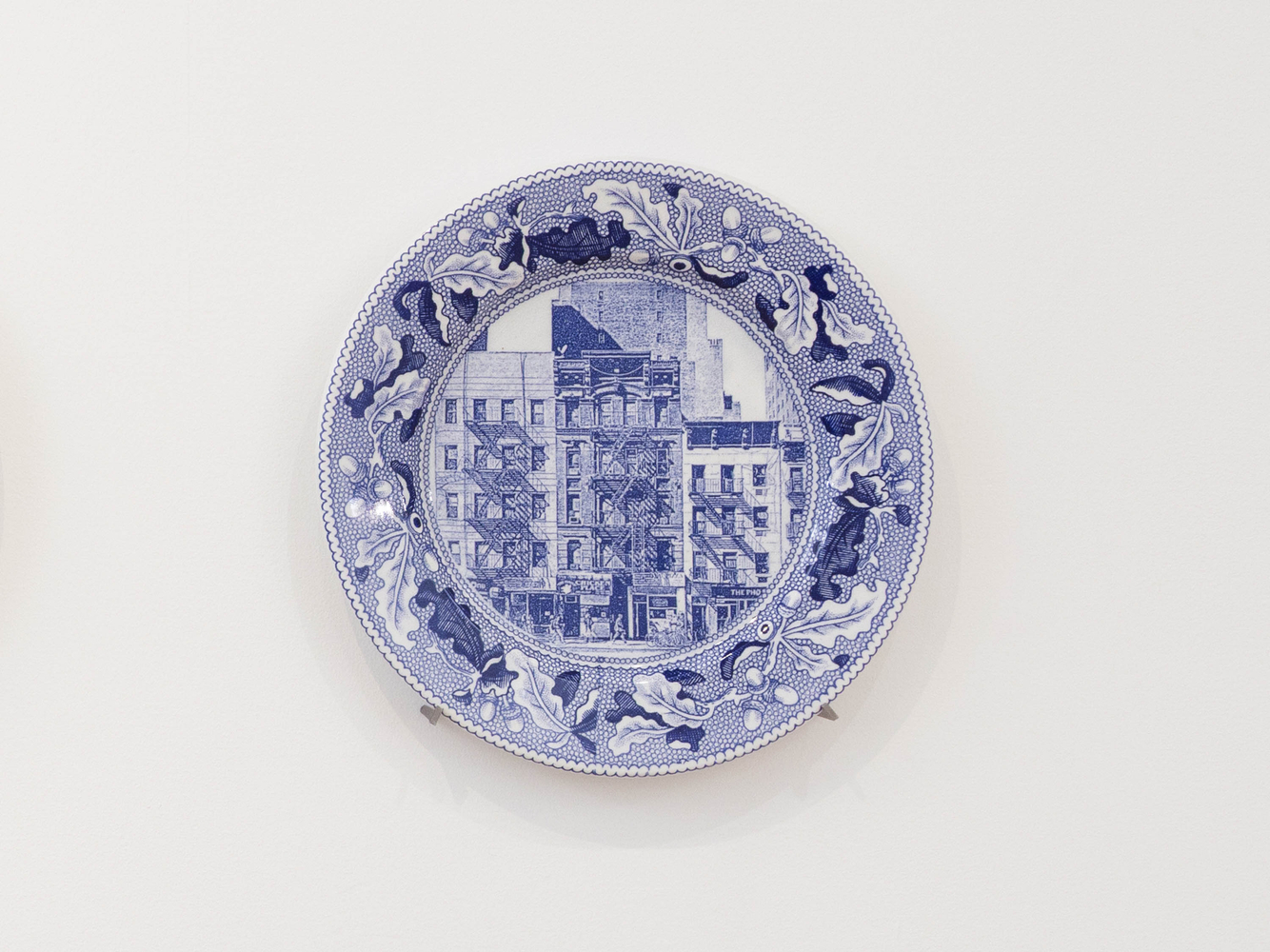
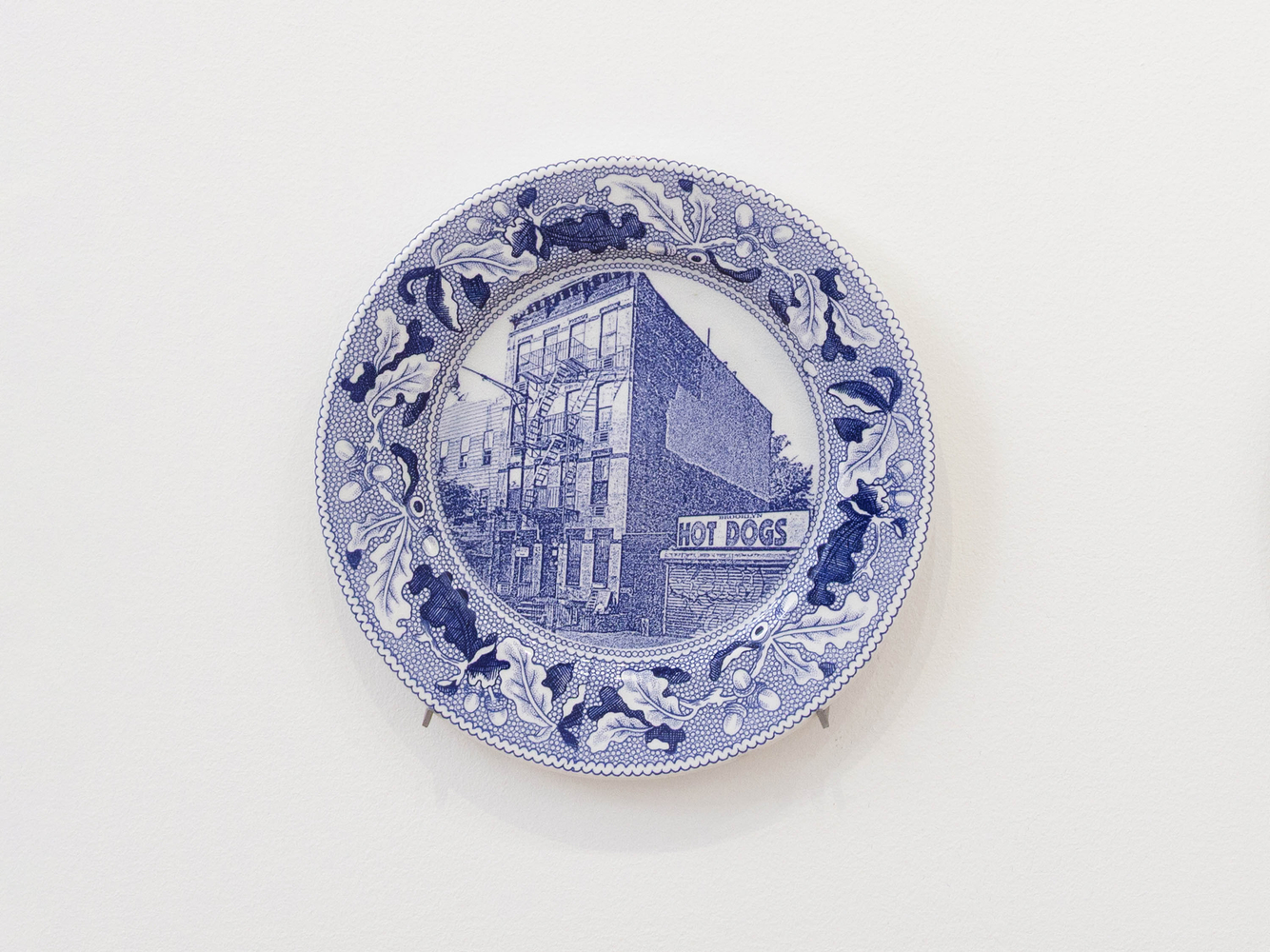
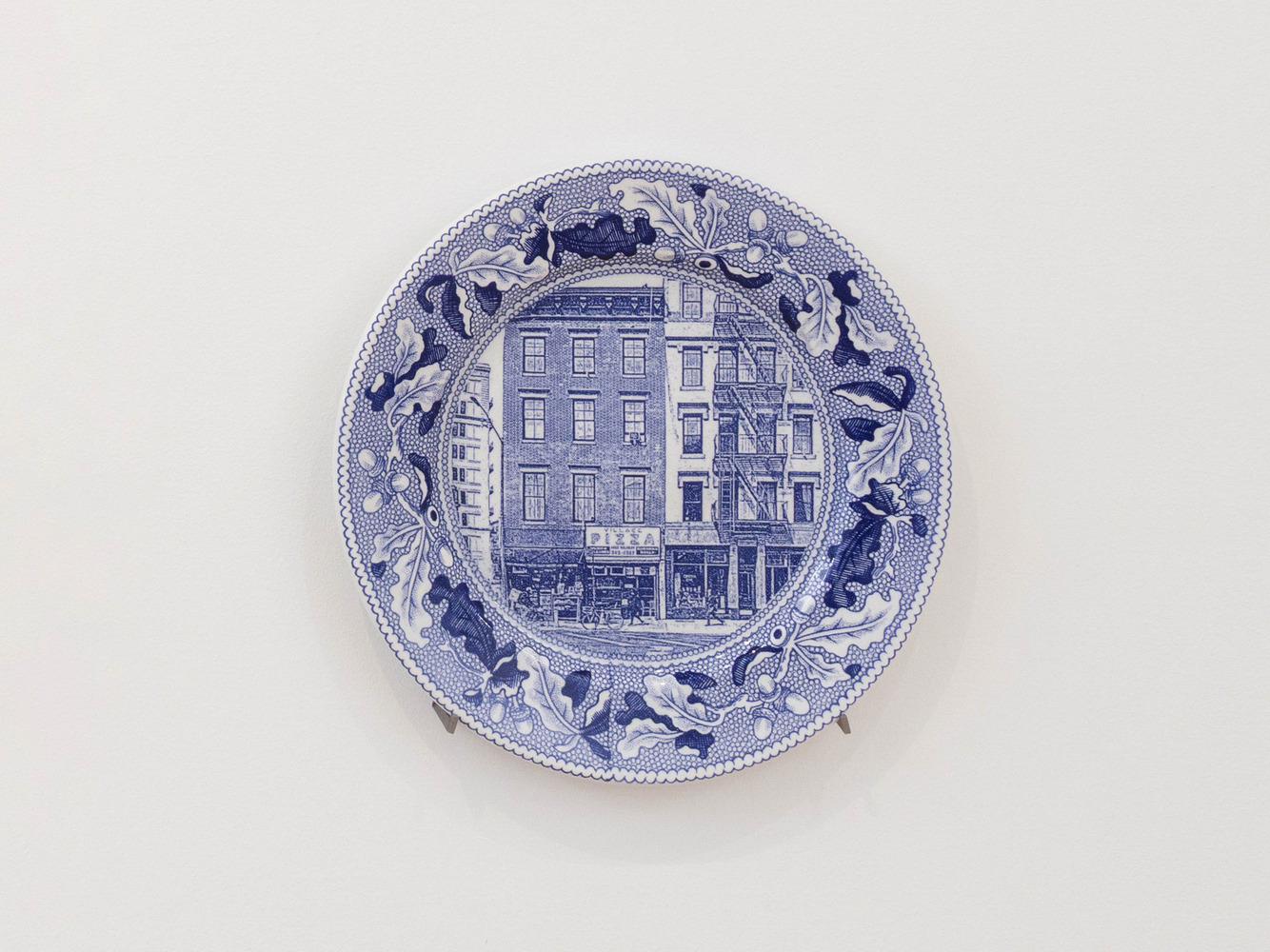
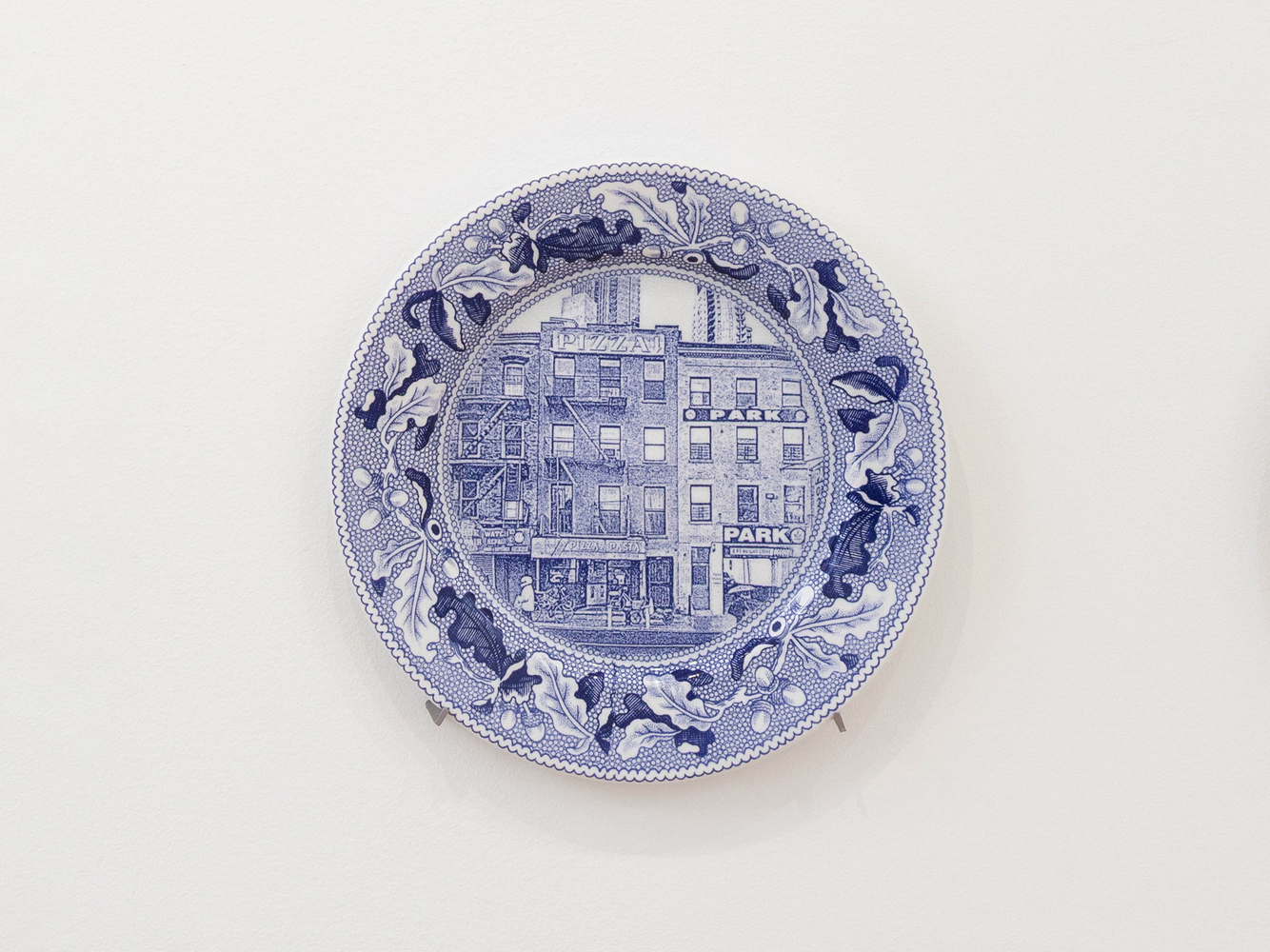
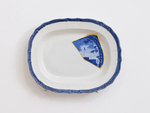
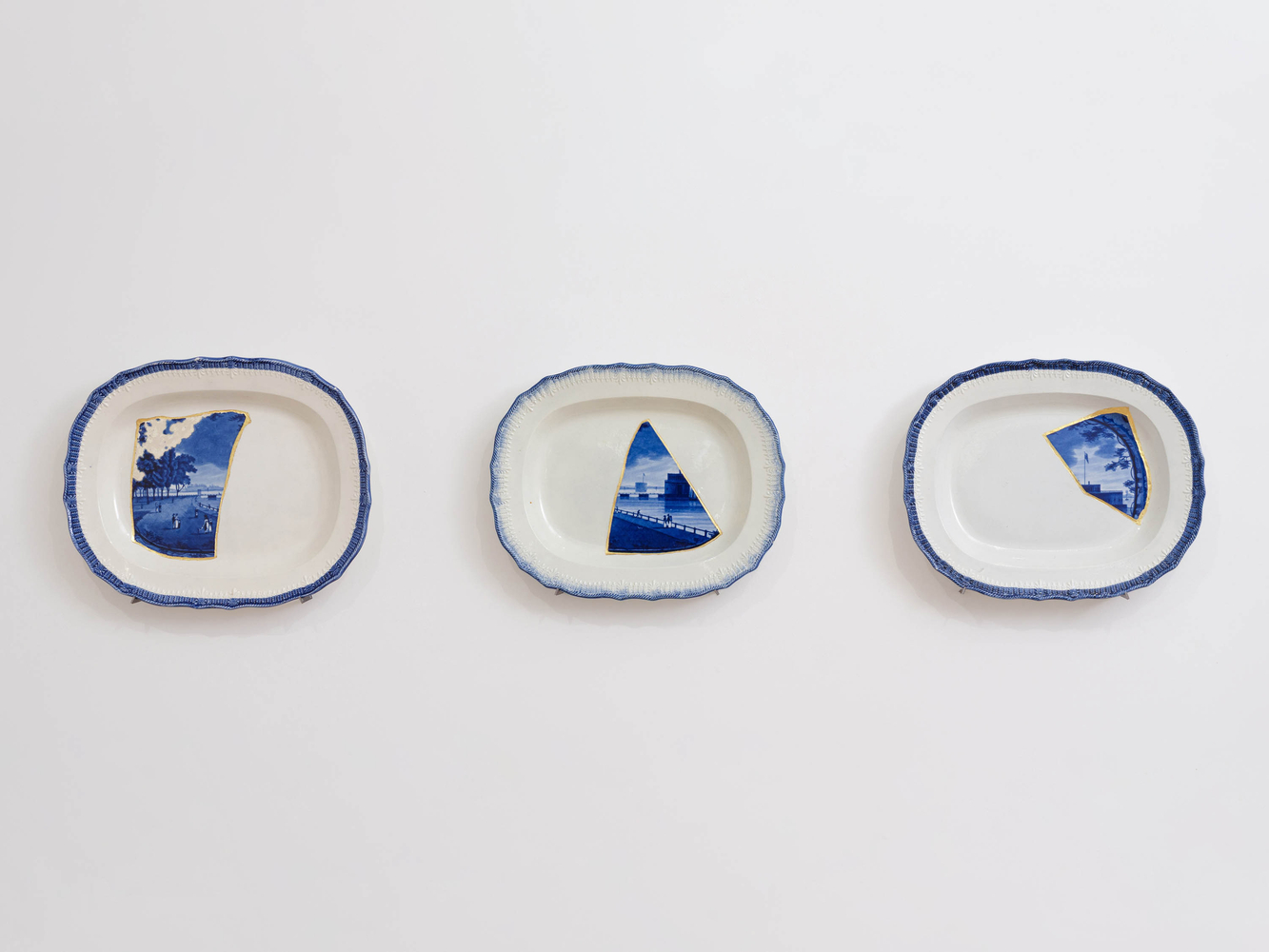
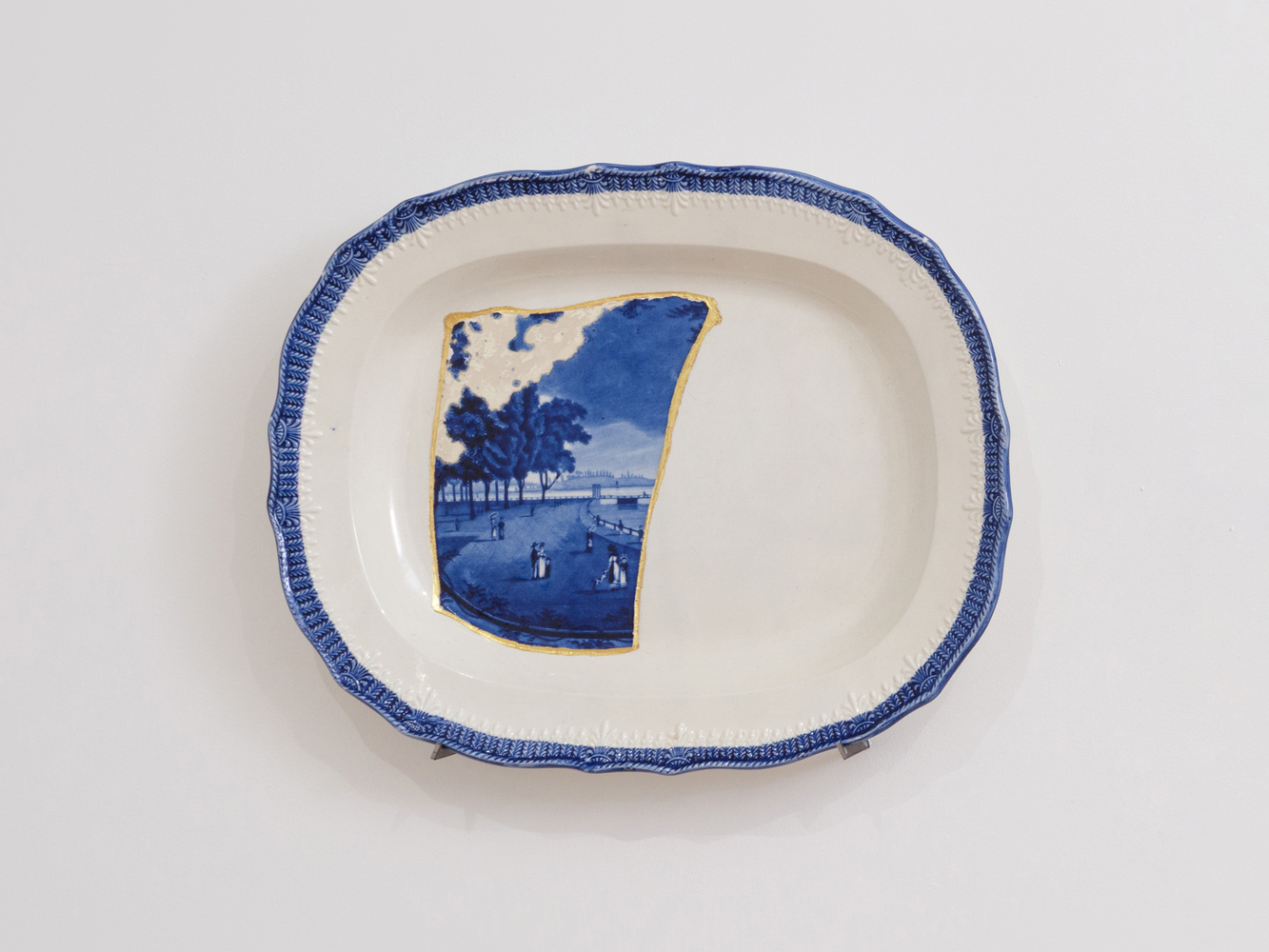
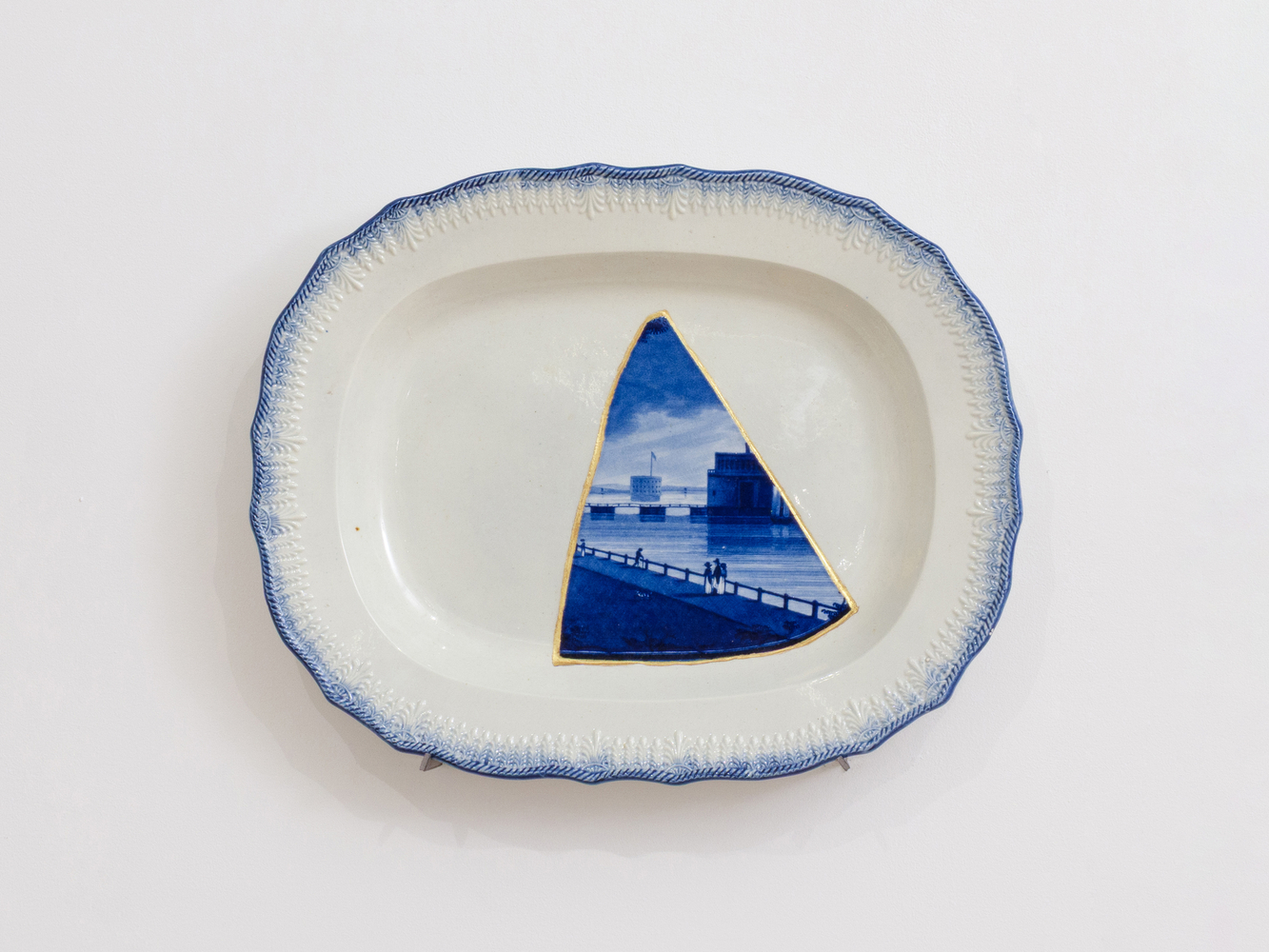
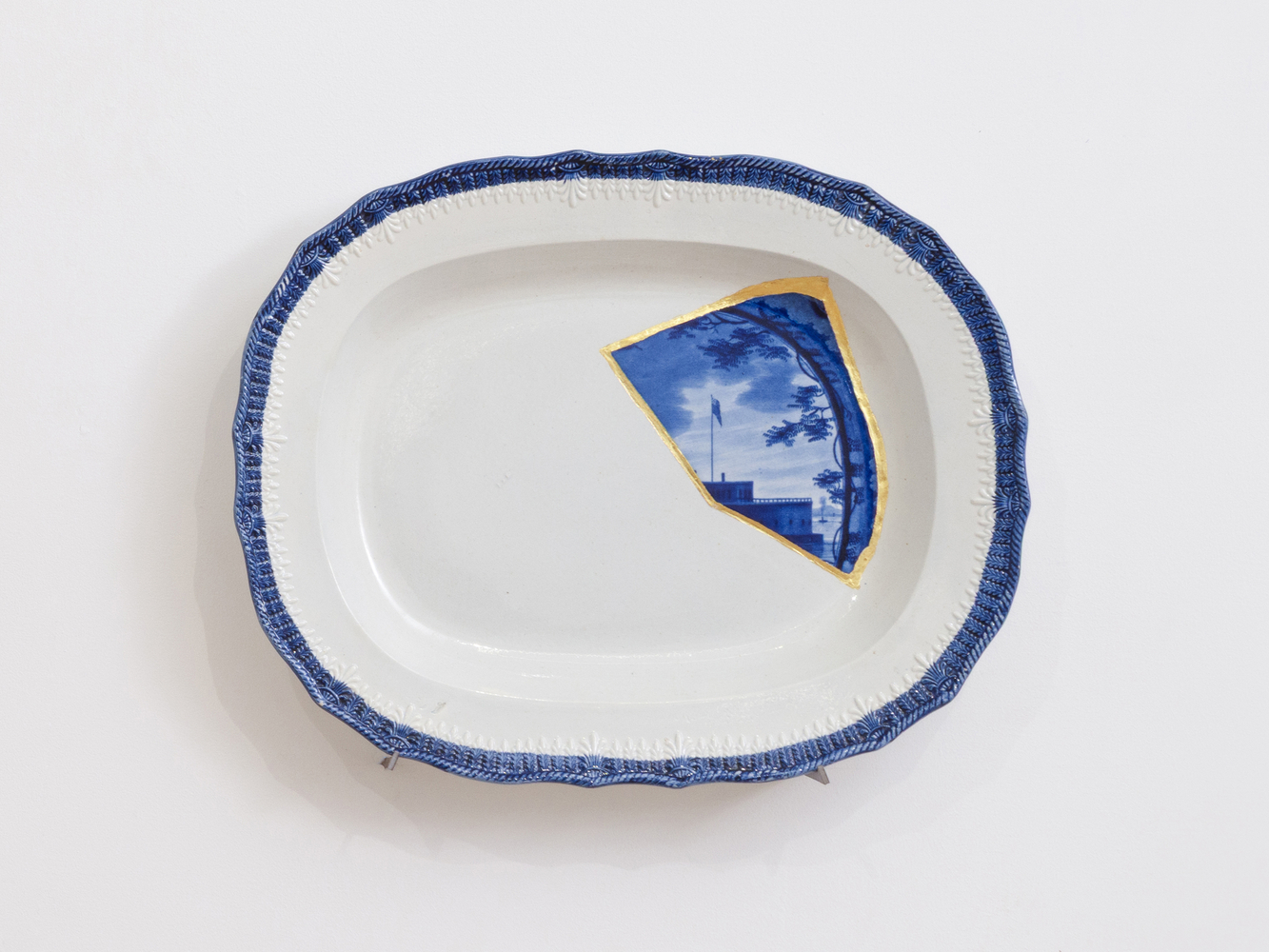
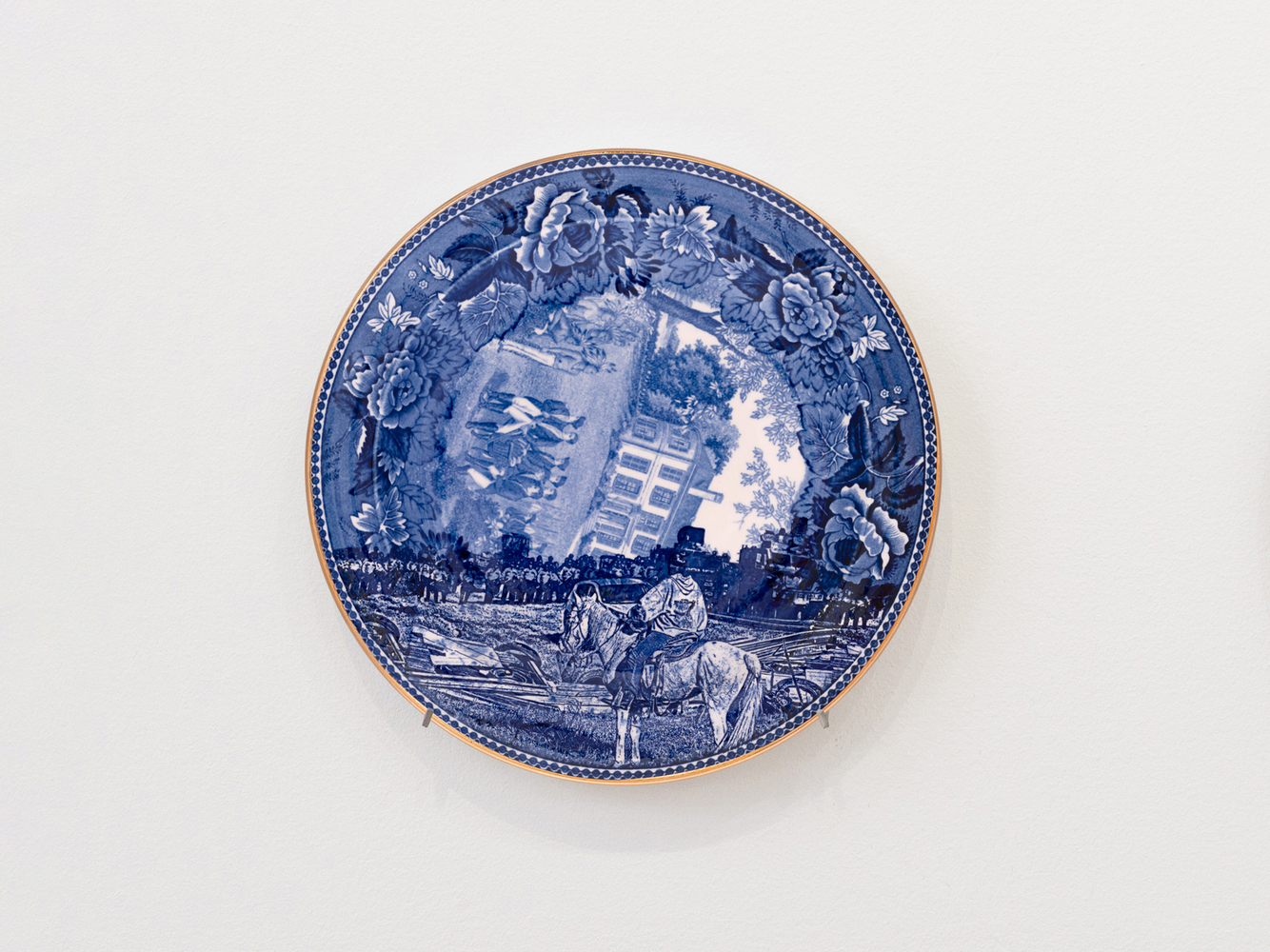
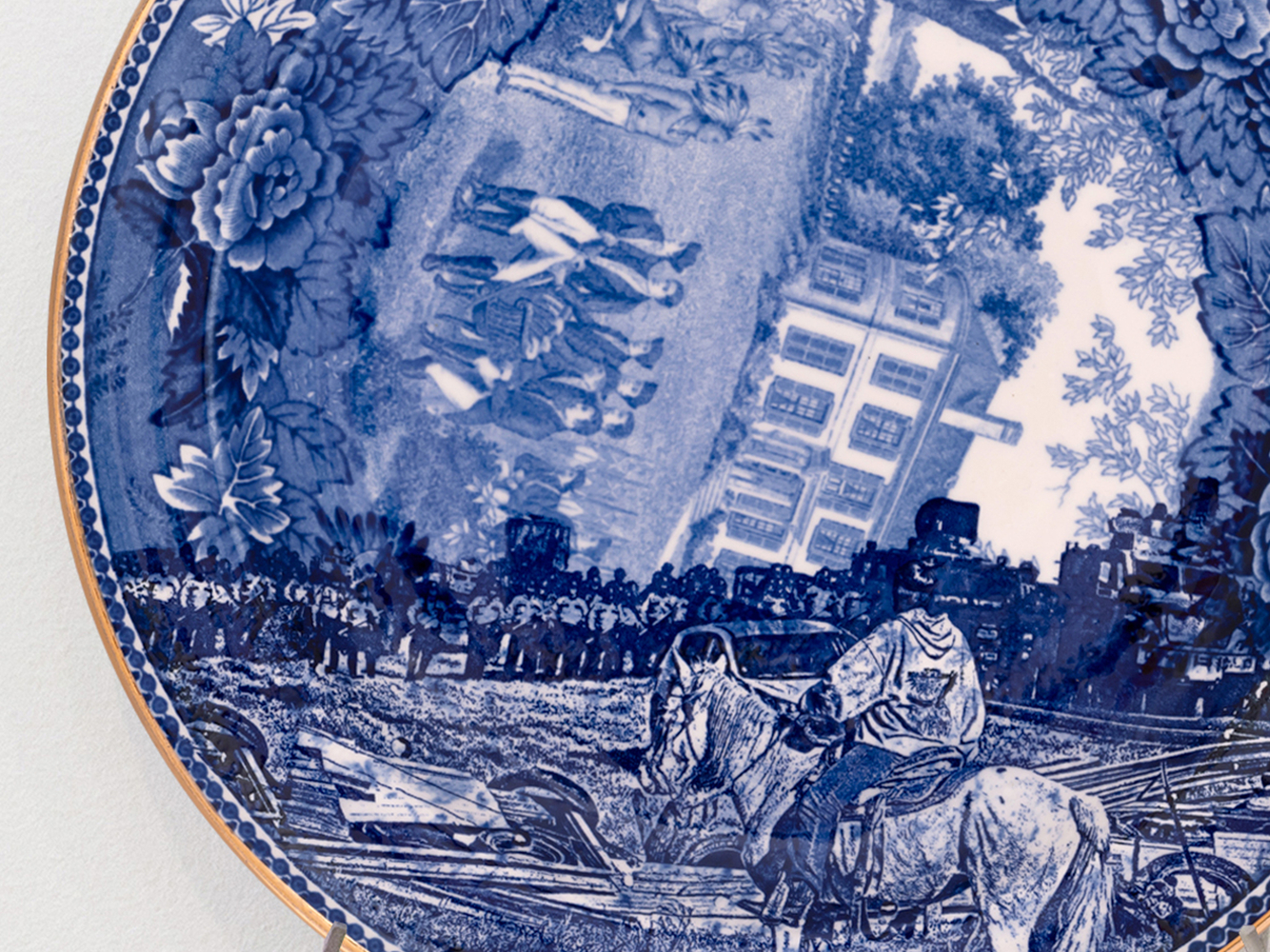
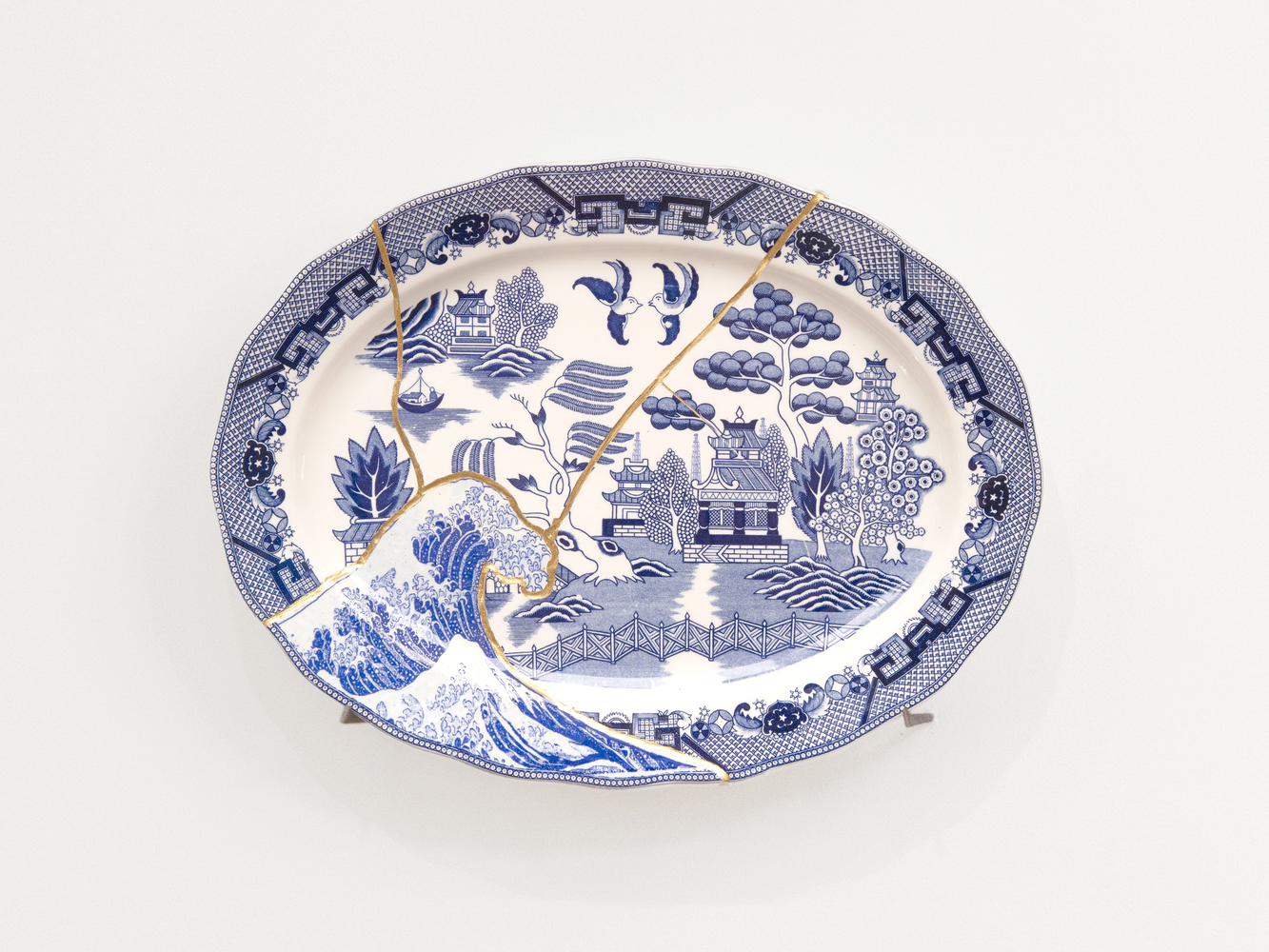
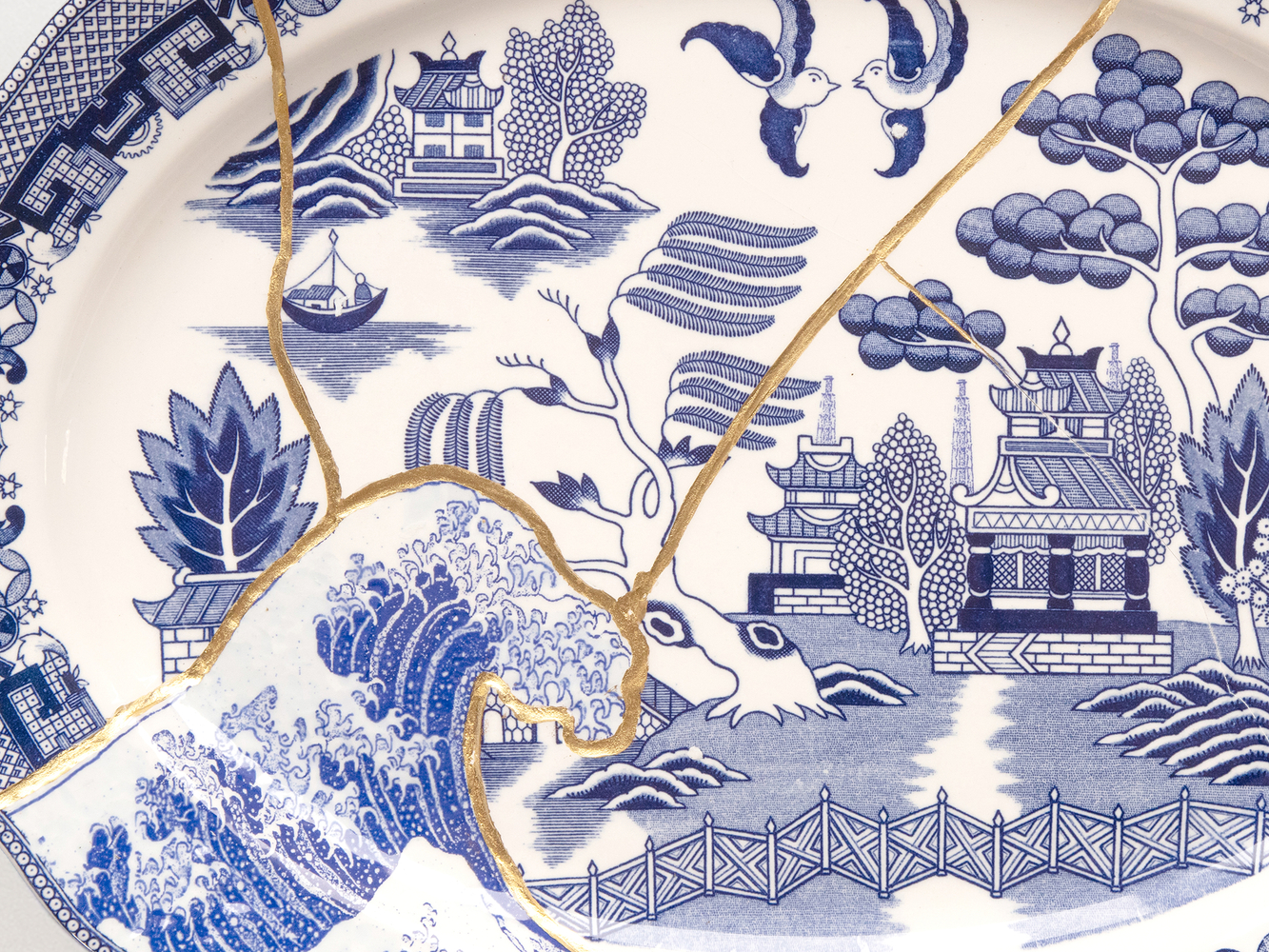
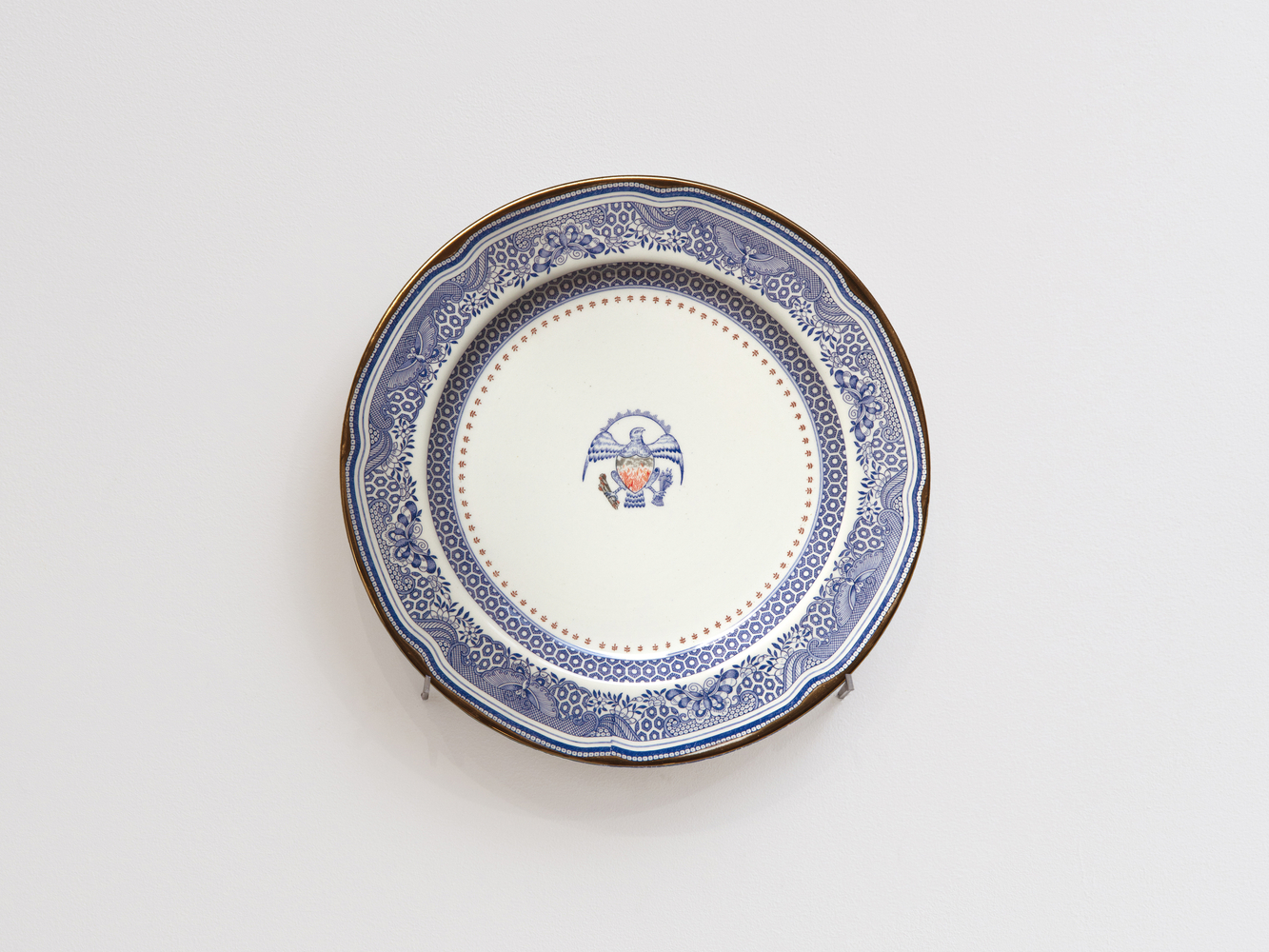
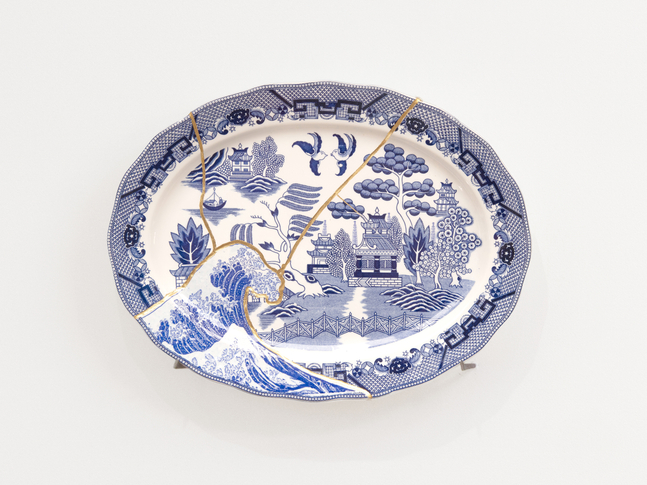
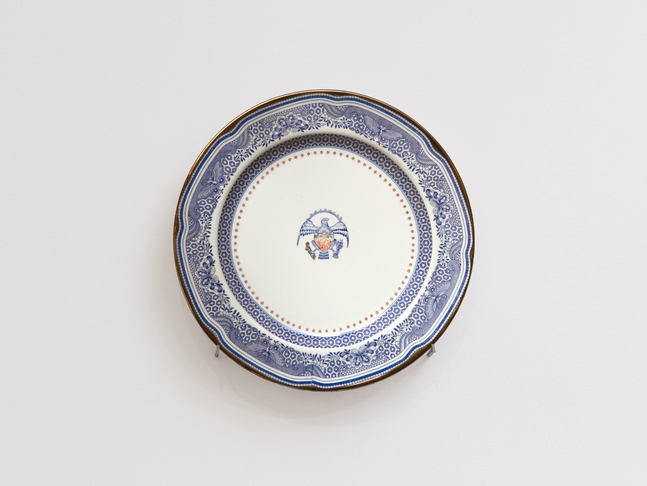
Scott resides in the UK in the county of Cumbria, from where he pulls his moniker and frequent title “Cumbrian Blue(s),” a phrase which is stamped or painted onto the verso of many of his pieces. With a diverse practice and an international reputation, he is known for his blue-and-white ceramics that address current events with a historical through line, blurring the boundaries between fine art, craft, and design. Over time, his practice has become closely tied to his own research into printed vitreous surfaces as he has developed an extraordinary expertise on the intricacies of porcelain and transferware production. The innumerable pieces of vintage pottery that have passed through his hands lent him an intimate awareness of the life of objects and their journeys.
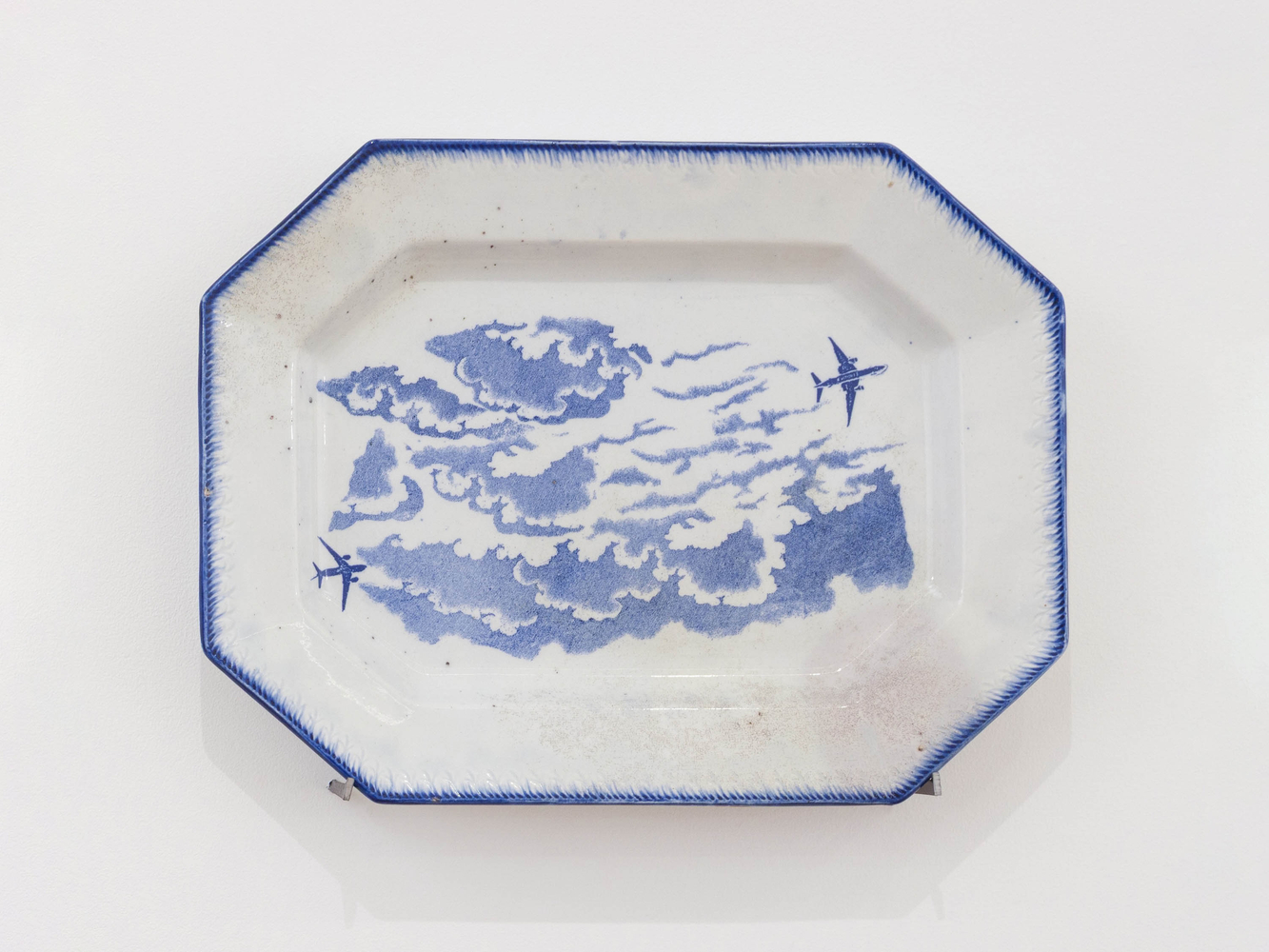
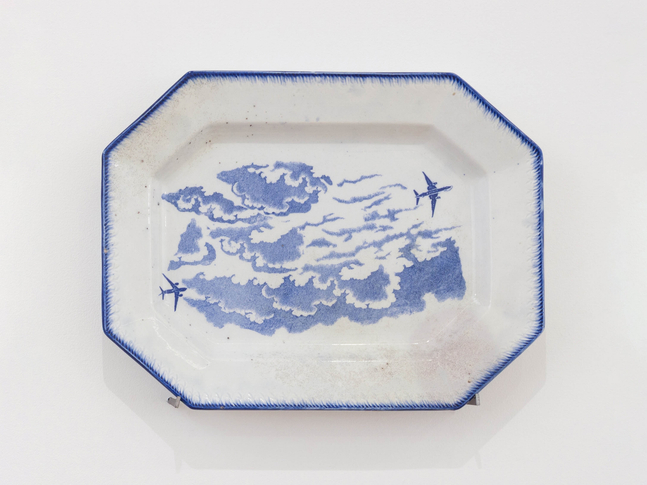
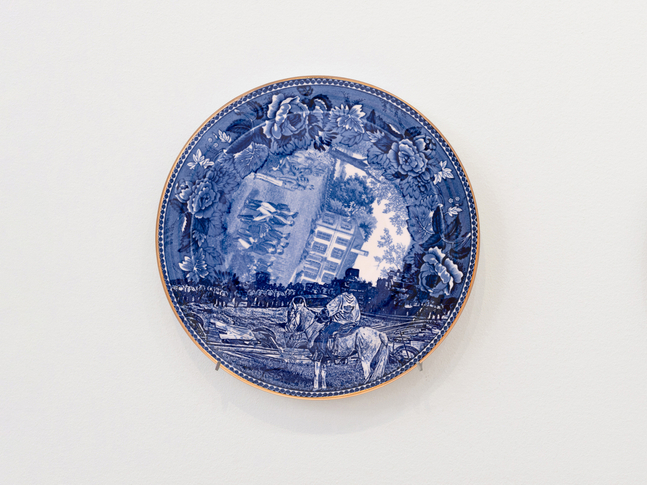
“I habitually collect glazed tableware from eBay, junk and antique shops,” Scott writes. “Some of it has crazed glazing, some may be cracked, chipped, or the gold lustre worn from the edges … over time I have grown very fond of these imperfections. Some are simply beautiful in their own right, as cracks trace a line across a form, or blooms in the glaze create vitreous clouds in the glassy surface.” In part, it is the care shown for humble objects in connection with his astute political commentary which makes Scott’s work feel so arresting and truthful. His approach is fundamentally concerned with the reanimation of familiar objects, landscape, pattern, and a sense of place. Works from his New American Scenery series like Toll and Residual Waste (Texas) update the picturesque tradition of landscape with scenes of smokestacks, semi-trucks, and toll roads, turning attention to our asphalt and blacktop-tinged treatment of the land. Cloud Studies (after Thomas Cole & Eadweard Muybridge) inserts the profile of a passenger airplane overtop the billowing outlines of drifting clouds, referencing two image makers who helped to define the aesthetic of the U.S. American landscape.
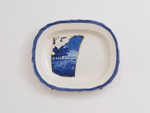
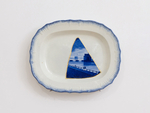
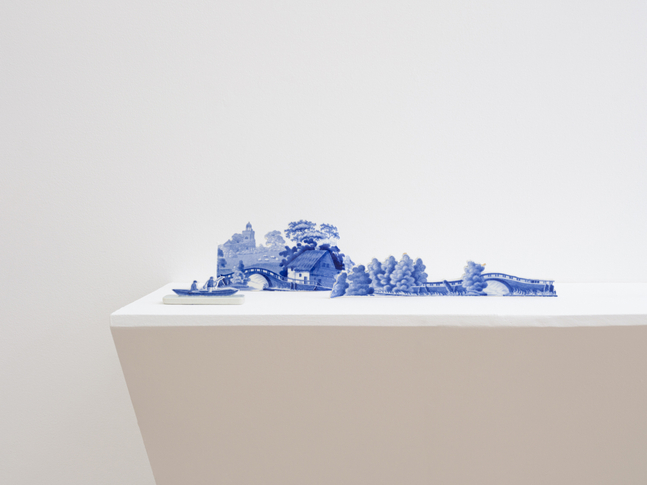
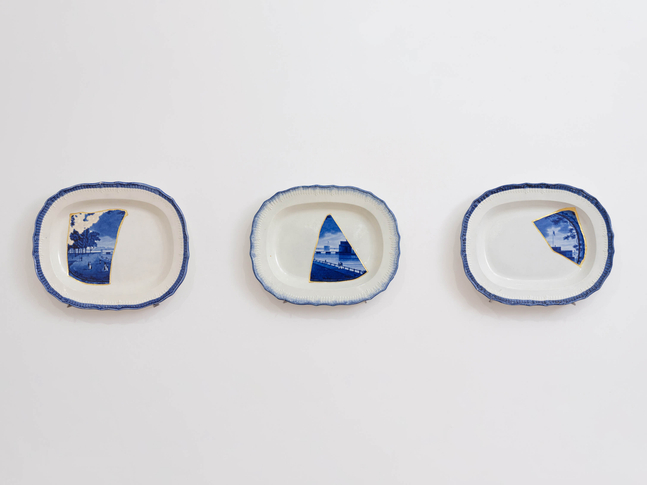
Meanwhile, Slotte brings a more minimalist approach to the treatment of antique plates and china tableware, subtracting matter to render intricate, sandblasted lines and ghostly tracings. Her delicate yet densely-layered patterns interrupt the material coherence of these common objects, revealing moments of absence, ambiguity, and blankness. These acts of redaction, which design historian Glenn Adamson refers to as “a strange sort of craft, consisting as it does almost entirely in deletion,” underscore the curious nature of mass-produced decorative objects; by taking away layers of glaze and clay, Slotte draws our attention to their stylized forms and materiality. Each of her scenes, as though sculpted by erosion, becomes a uniquely altered variation on the theme. In doing so, her artworks broaden our attention to address questions of cultural association, material memory, and the inevitable losses and transformations of time.
“On one level, these works speak to the partial and elusive nature of collective memory,” Adamson writes, “which might be defined as that which is left behind, when all else is forgotten. Yet Slotte’s painstaking act of erasure can also be read as deeply personal. The title Going Blank Again is a short story in three words, which strikes right to the heart of anyone who’s ever been at a loss. And who hasn’t?”
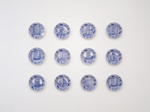
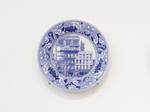
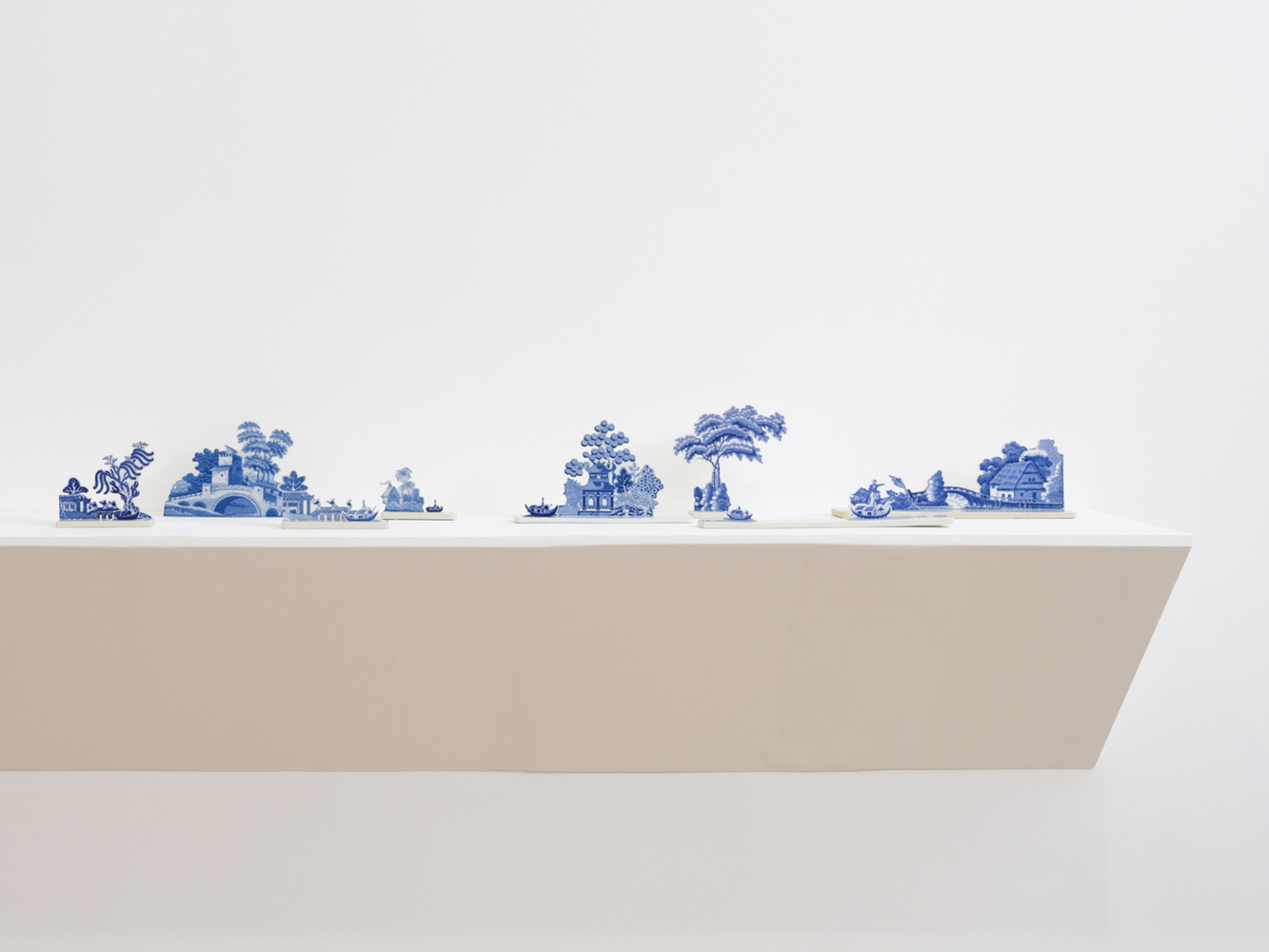
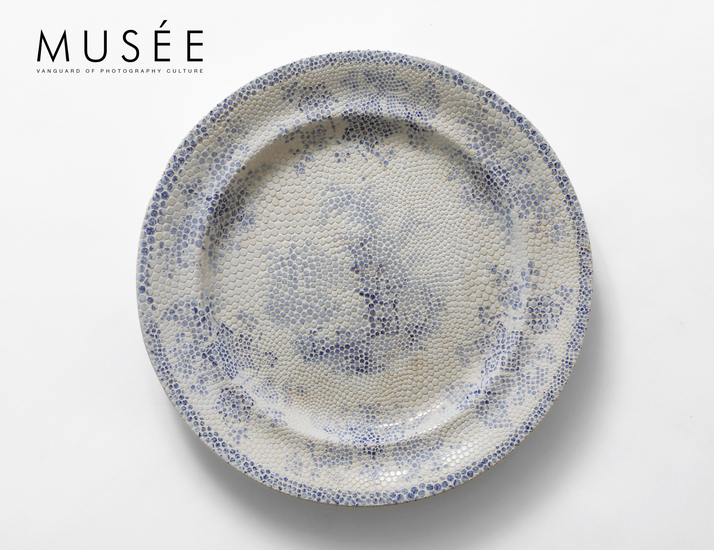
Slotte’s lyrical interventions into the surfaces of blue-and-white transferware mark her subjects through acts of selection and deletion. Vaporous landscapes, clarified from the now classical scenes of the porcelain tradition, emerge out of porous accumulations of pixel-like spheres akin to halftone dots. The Blue Willow and Wild Rose patterns are prominent, but there are others like J. Jamieson & Co.’s Bosphorus Blue, depicting attenuated minarets lining the Bosphorus Strait, and numerous scenes that evoke far-flung travel vistas and locales. Slotte’s alterations to the originals unsettle and transform their mass-produced subjects, changing our experience of longing and wanderlust into something more reflective, opaque, and uncertain.
The instability of these images operates like a secondhand memory: the familiar pattern so often repeated becomes beautifully and thoughtfully transmuted into something unfamiliar. Rippling azure spheres of sky crossed by wispy clouds ricochet across the surfaces of plates and platters in her American Skies series. The artist’s technique enacts something akin to a disappearing act; by carefully masking the surface of each plate, then sandblasting what remains, she effaces certain details while bringing others to the fore. Under her hand, enigmatic forms are scoured into the clay body underlying historic plates and platters, calling our attention back to the physical matter of ceramics and glaze: its permeable and rough textures, its opalescent gloss and vitreous liquidity, the light staining and appearance of imperfect yet entirely natural marks of age, use, and individuality.
As Adamson asserts, “Together, [Scott and Slotte] show how art can open up an apparently inconsequential domain of material culture, showing it to be far more expansive than one could have imagined.” Indeed, the carefully-cropped and edited views of city, sky, and countryside featured in the two artists' work are capacious and unexpected, revealing a commentary on landscape that is at once incisive, fragmented, and hypnotic.
One Way or Another is presented in collaboration with Ferrin Contemporary.
One Way or Another, on view through Feb. 28, 2026, at HB381 Gallery in New York, pairs the two artists in a dialogue about how to dismantle inherited images. The exhibition takes its conceptual anchor from transferware — those mass-produced plates depicting sanitized versions of colonial encounters, picturesque ruins or Orientalist fantasy. Scott and Slotte both recognize these objects as repositories of cultural mythology. Their project is both archaeological and surgical: excavate the ideology, operate on the surface.